Home / DTF Print
Direct-to-Film Printing

Flexible DTF Printing for Multi-Placement Streetwear Graphics.

DTF is useful when a project needs flexible placements, strong color on multiple garment colors and efficient development across T-shirts and hoodies. We test film, adhesive, pressing and peeling conditions before bulk production so the final result stays consistent.
Best ForLogos, graphics, repeat artworks & mixed placements
GarmentsT-shirts, hoodies, fleece and cotton-rich basics
Control PointsFilm, pressing, peel timing & wash stability
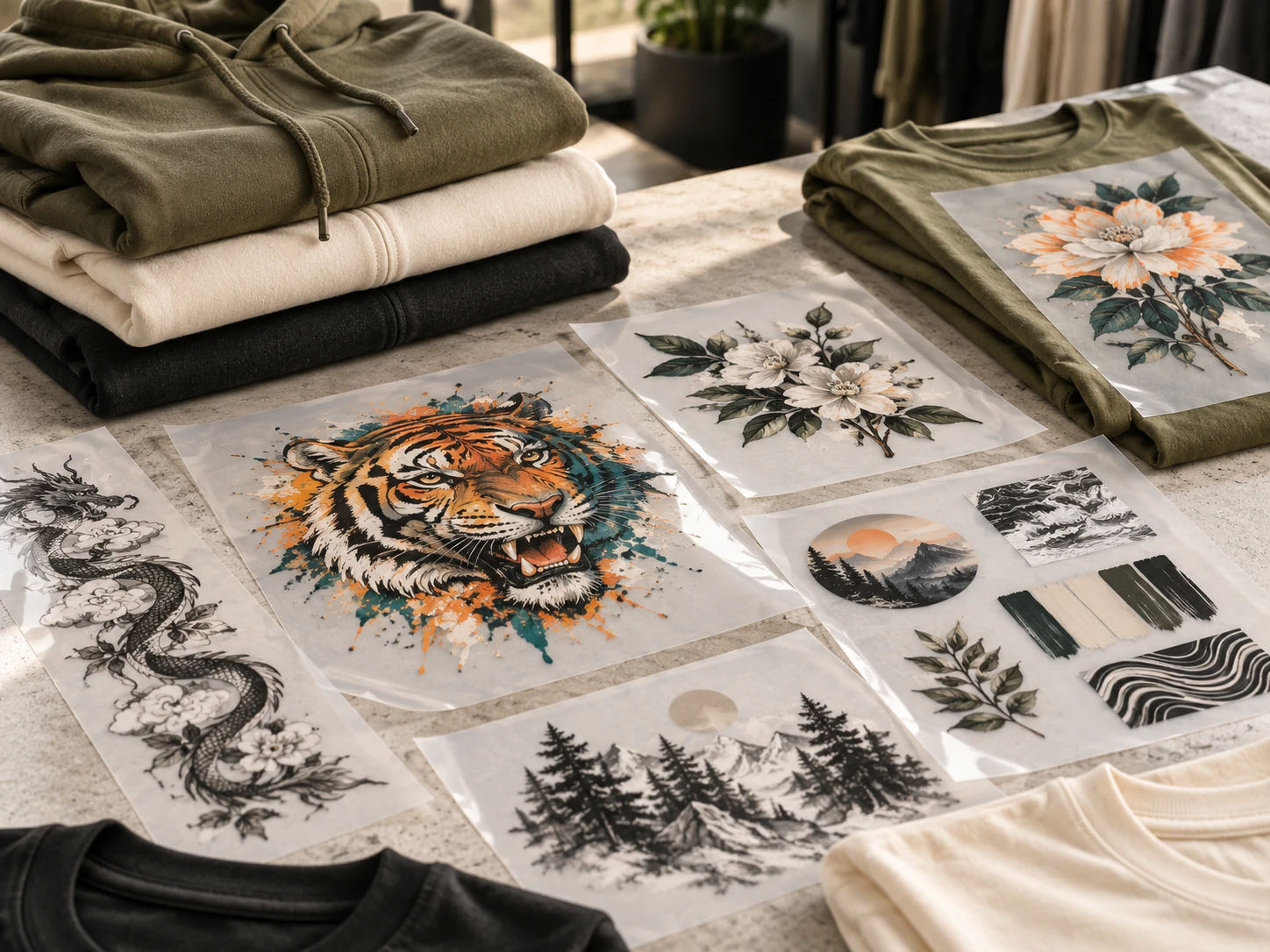
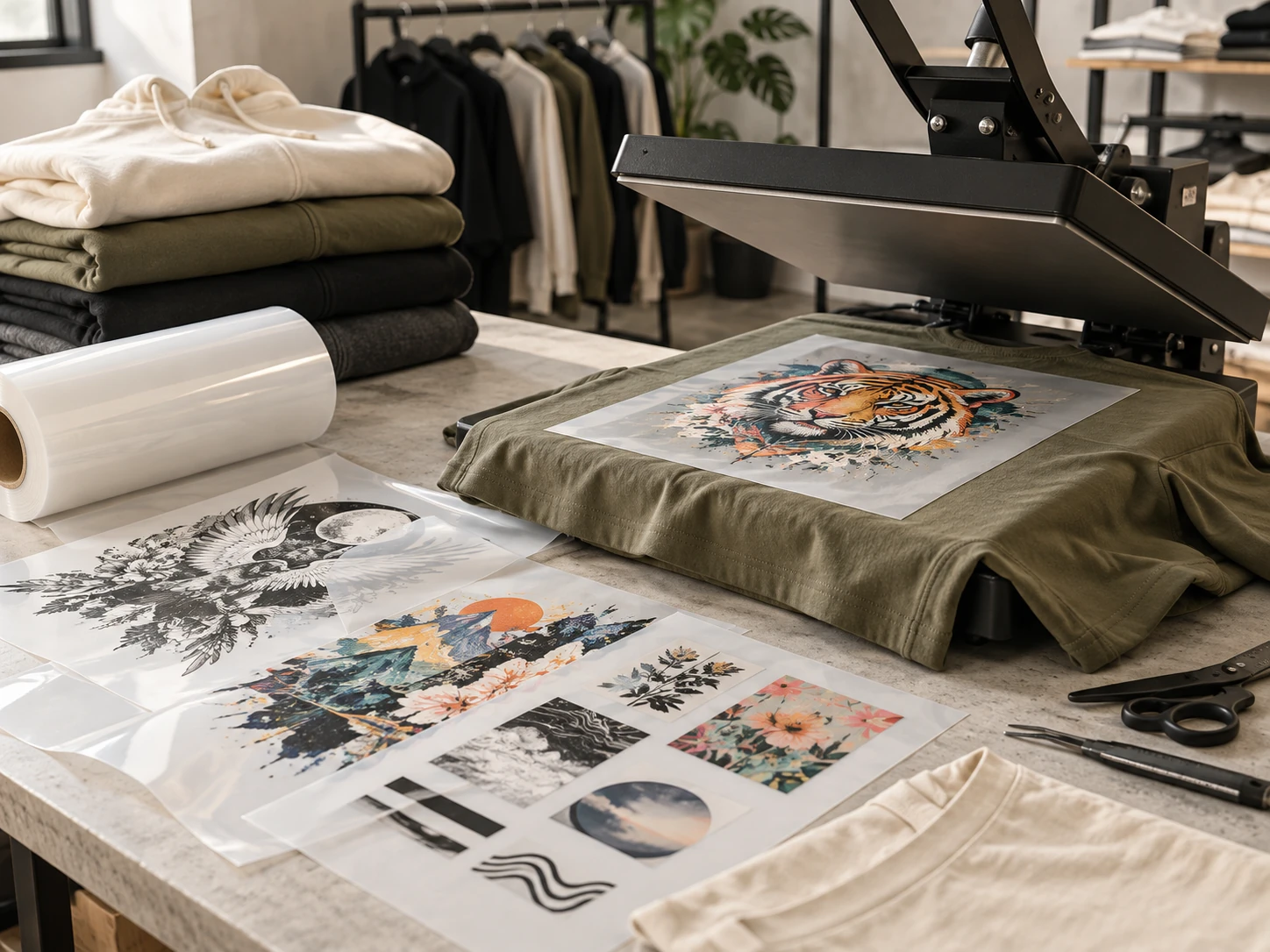
DTF heat press workstation with transfer sheets and streetwear garments
DTF WorkflowArtwork · Film · Press · Peel

Sampling is used to confirm placement, color, adhesion, flexibility and final hand feel on the actual garment.

Why Use DTF

Flexible Production Without Rebuilding the Entire Setup.

DTF is often chosen when the artwork needs mobility across different styles, colors and placements, while still keeping the print process efficient during development and smaller runs.

DTF transfer artwork sheets prepared for garment printing
01 / Flexibility

One Artwork, Multiple Uses

Transfer sheets make it easier to move the same approved artwork across multiple garments or placement positions.
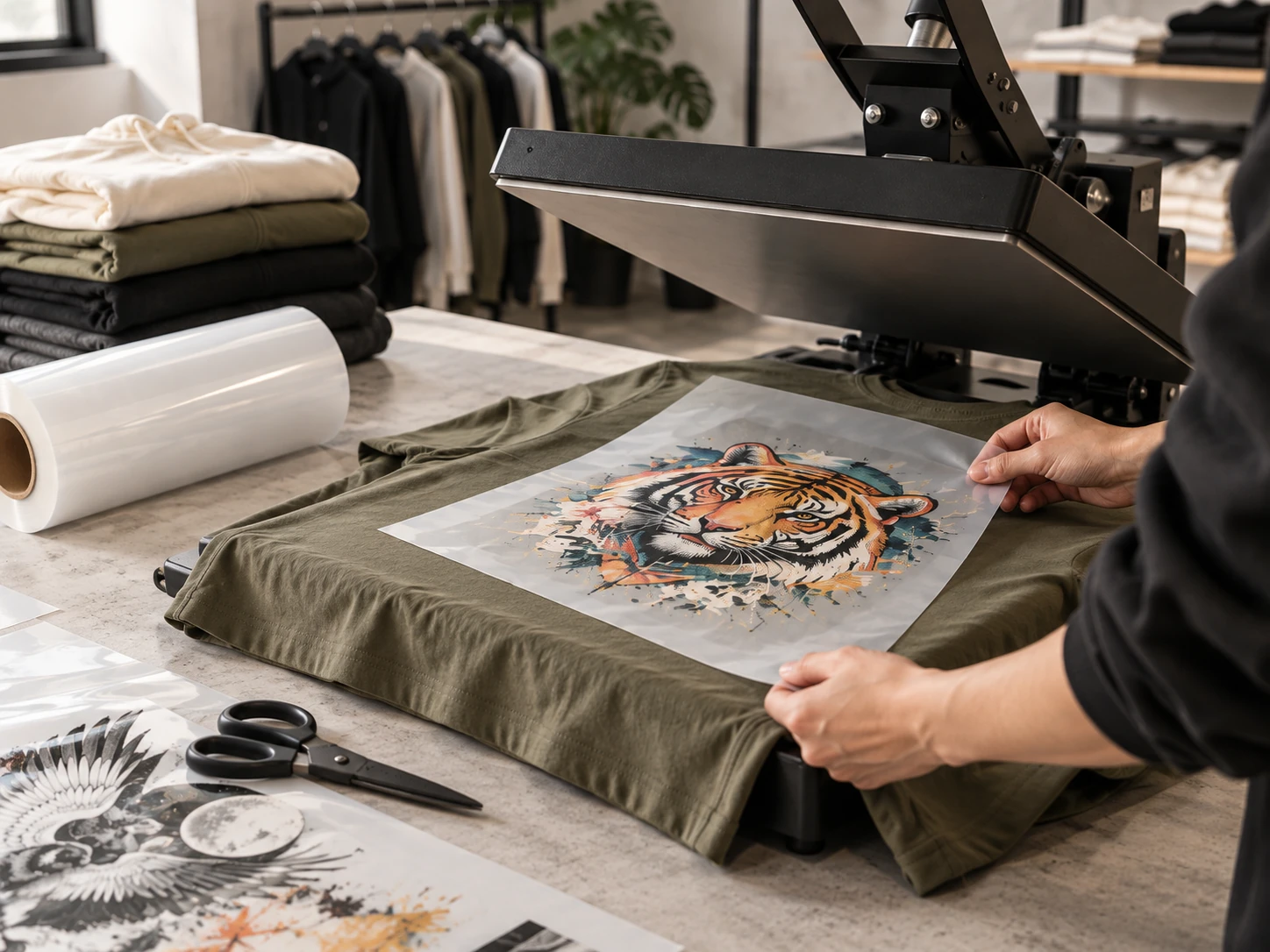
Positioning a DTF transfer sheet on a garment under a heat press
02 / Placement

Useful for Front, Back and Sleeve Graphics

Chest logos, back prints, sleeves and smaller spot graphics can be tested and applied with more freedom during sampling.
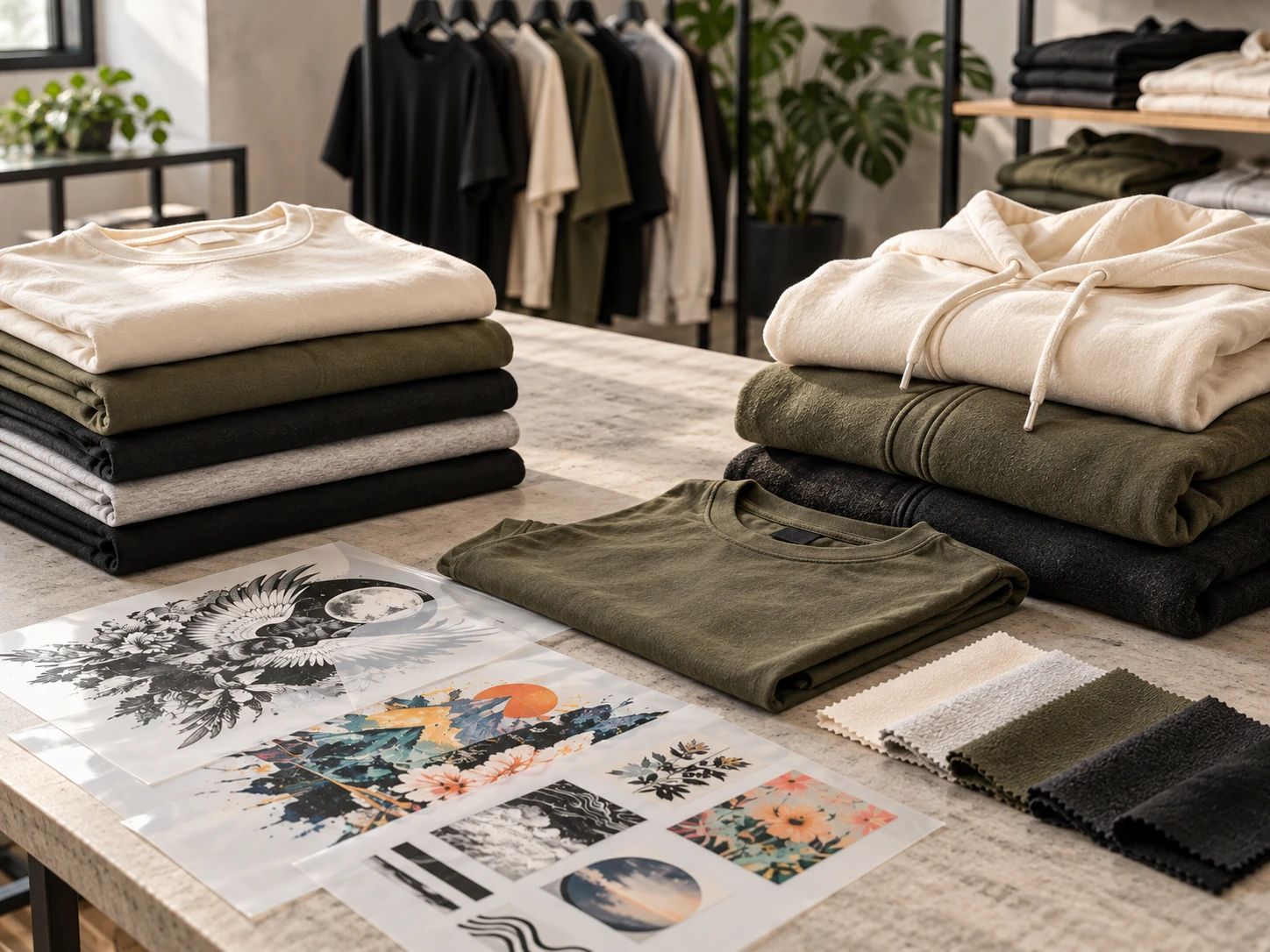
Neutral streetwear garments and fabric swatches prepared for DTF development
03 / Compatibility

Works Across a Wider Garment Mix

DTF can support projects that span tees, hoodies and fleece-based silhouettes within the same collection direction.
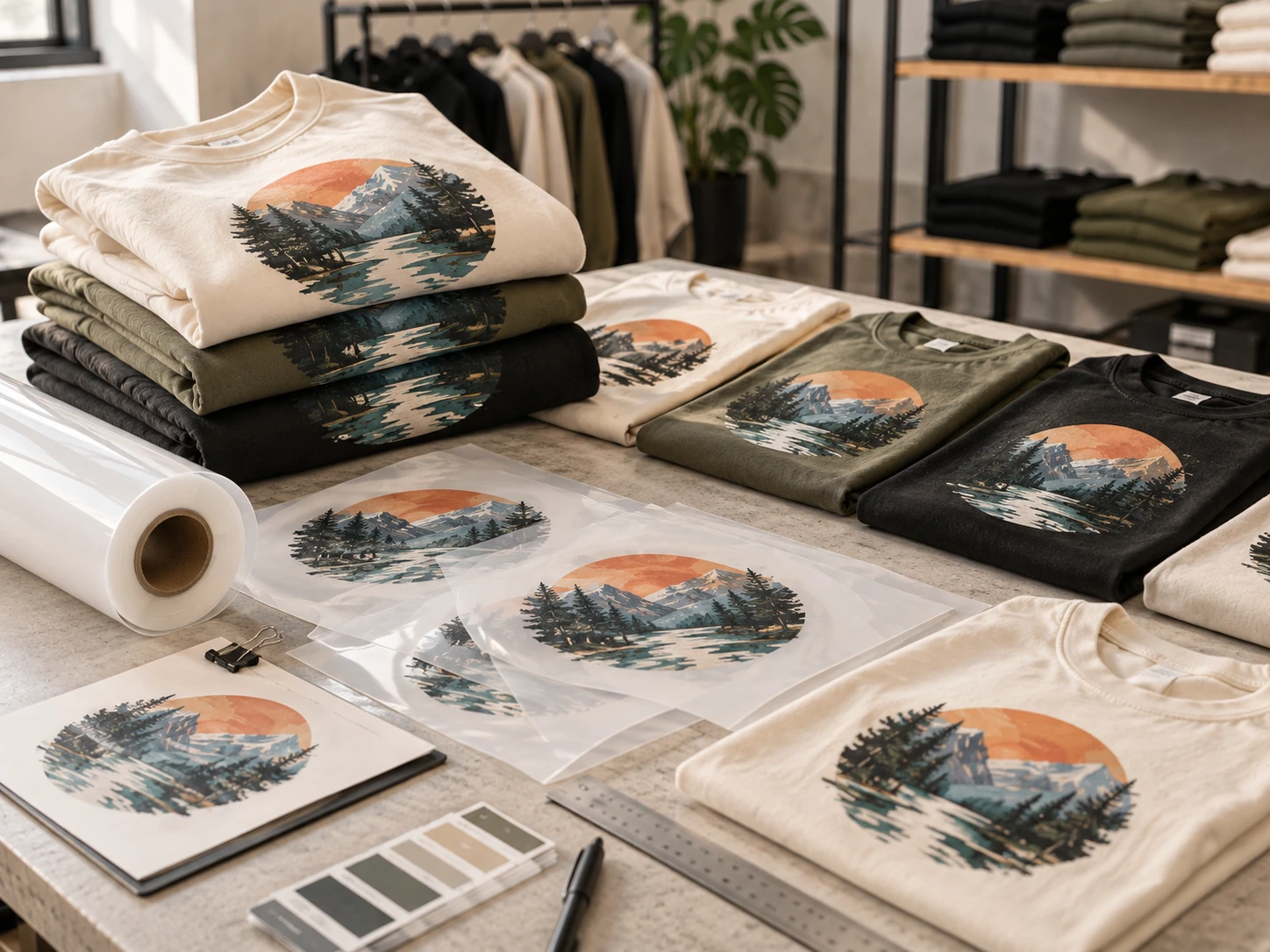
Repeated printed garments and transfer samples arranged for quality review
04 / Development

Efficient for Samples and Shorter Runs

It is practical when a brand wants to verify several graphics, colorways or repeat small-batch orders without a heavy setup burden.

Production Workflow

From Transfer Sheet to Approved Garment.

The print result depends on more than the transfer itself. Film quality, pressing conditions, peel timing and garment compatibility all influence the final standard.
Approved artwork prepared on DTF transfer sheets
01 / ArtworkPrepare the Graphic Set
Garment bodies and fabrics selected for DTF print development
02 / GarmentMatch the Base Fabric
Transfer film being aligned on a T-shirt under a heat press
03 / PositionSet the Placement
Heat press workstation for DTF production
04 / PressApply Heat and Pressure
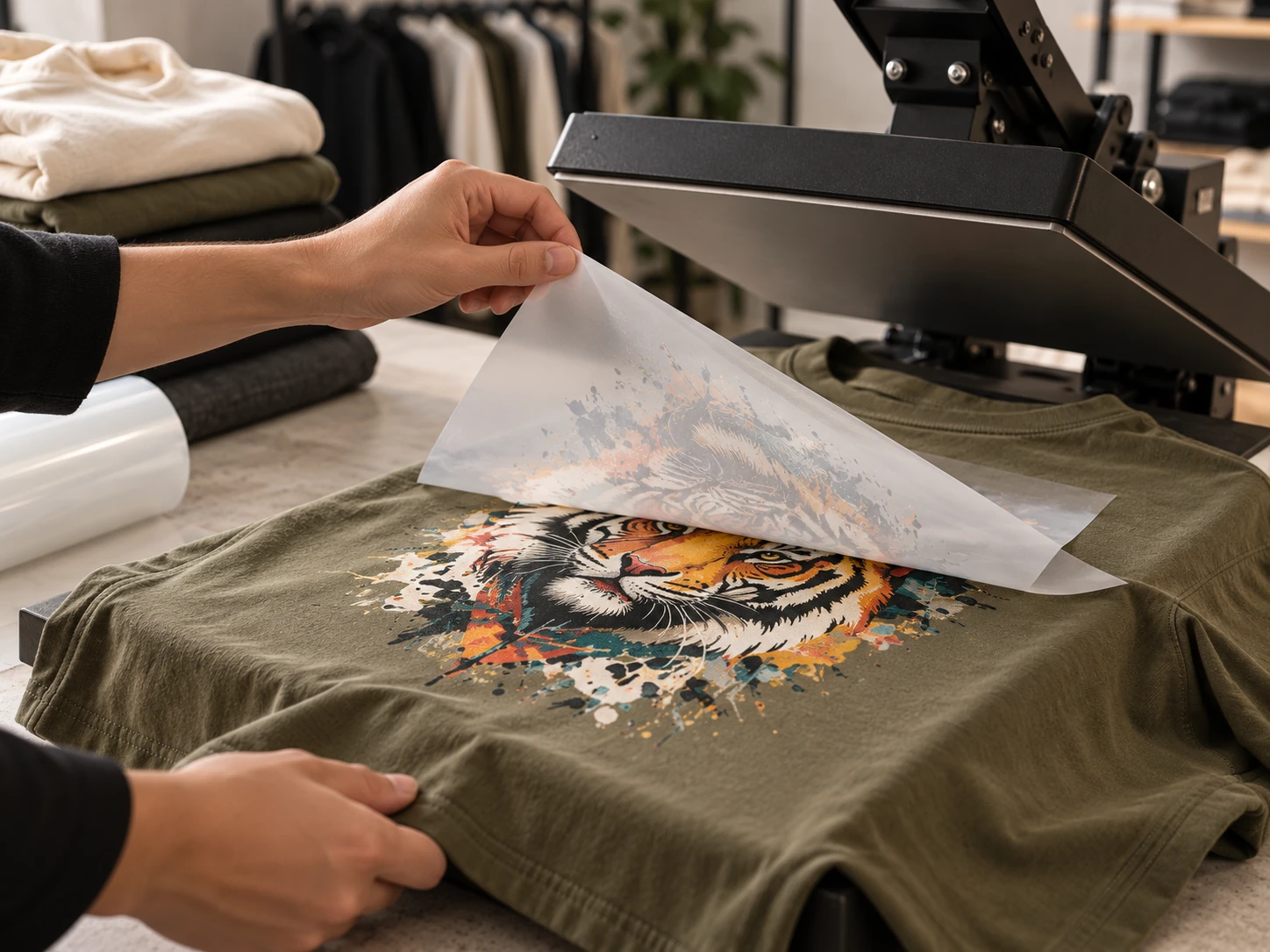
Peeling the carrier film to reveal a DTF print
05 / PeelReveal the Final Print
Finished printed garments checked for repeatability
06 / InspectConfirm Repeatability
Before Bulk

Pressing Conditions and Peel Behavior Need Approval.

DTF should be sampled on the actual garment specification so the buyer can confirm adhesion, stretch, edge cleanliness, hand feel and durability before the order scales to bulk.

01
Film + AdhesiveChoose a transfer system that suits the artwork detail and the garment type.
02
Temperature + PressureHeat press settings need to be stable so the print bonds cleanly without over-pressing the fabric surface.
03
Peel + Wash CheckCold peel or hot peel behavior, wash resistance and cracking performance should all be verified during sampling.
Streetwear garments, swatches and transfer samples arranged for DTF evaluation
Best Fit for DTF

Multiple Placements. Mixed Garments. Faster Development.

DTF is often a good fit when a collection needs adaptable placement options, consistent repeats and a workflow that supports both sampling and mid-size production efficiently.

Chest LogoBack PrintSleeve PrintHoodiesT-ShirtsSample Runs

Ready to build a drop?

Tell Us About Your Streetwear Direction.

Share target GSM, fit, quantity, wash direction, artwork and reference images. We’ll organize the sampling and production route.

Start a Streetwear Project