Home / Garment Dye
Garment Dye Development

Washed Color With Controlled Character.

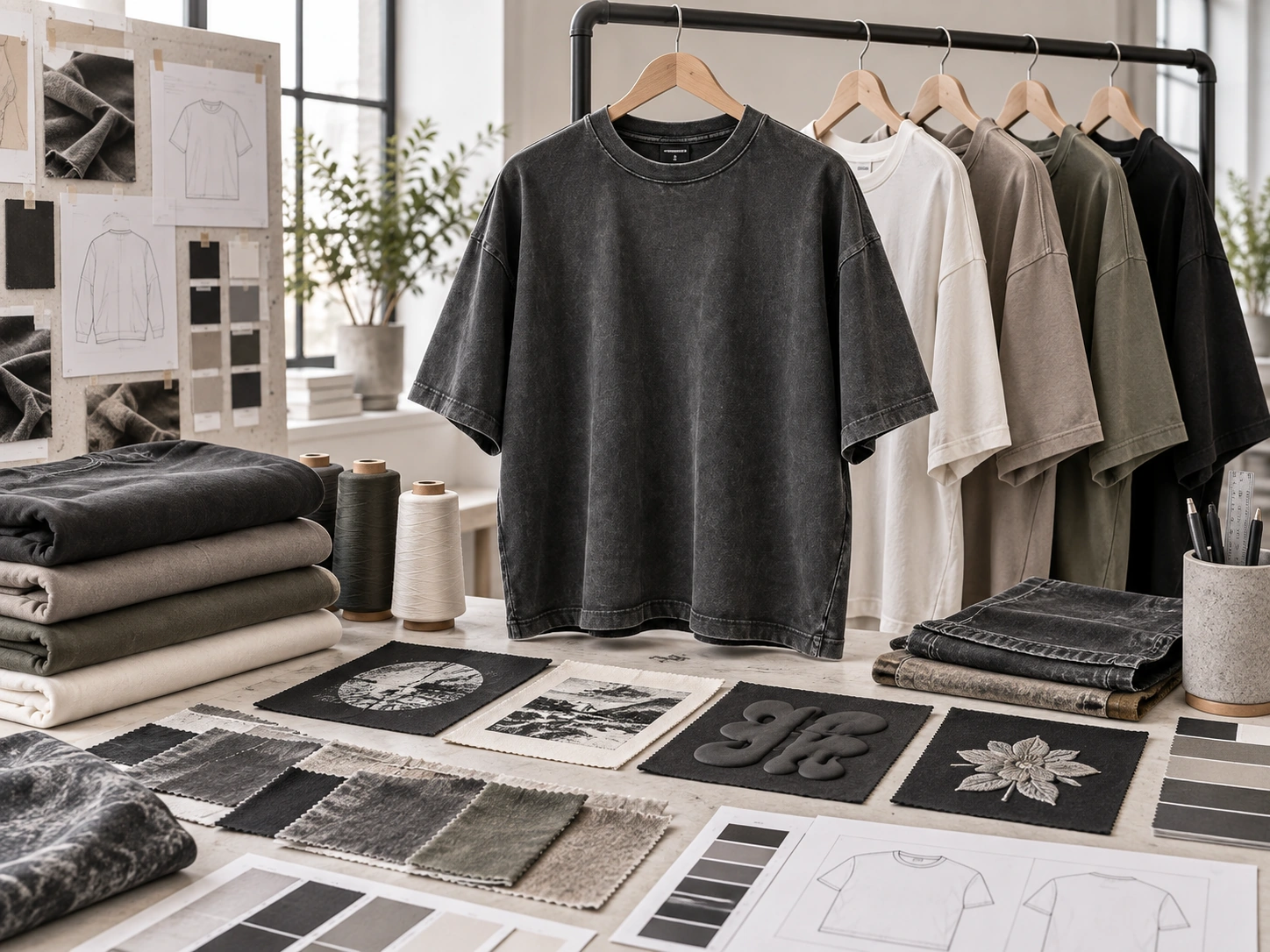
Garment dye is used after the garment is constructed, creating softer color, natural variation and a lived-in surface that works especially well for heavyweight and oversized streetwear T-shirts. The goal is not perfect uniformity—it is controlled, repeatable character.
Best ForHeavyweight and oversized cotton tees
Visual ResultWashed color, seam character & lived-in surface
Control PointsShrinkage, shade tolerance & wash repeatability
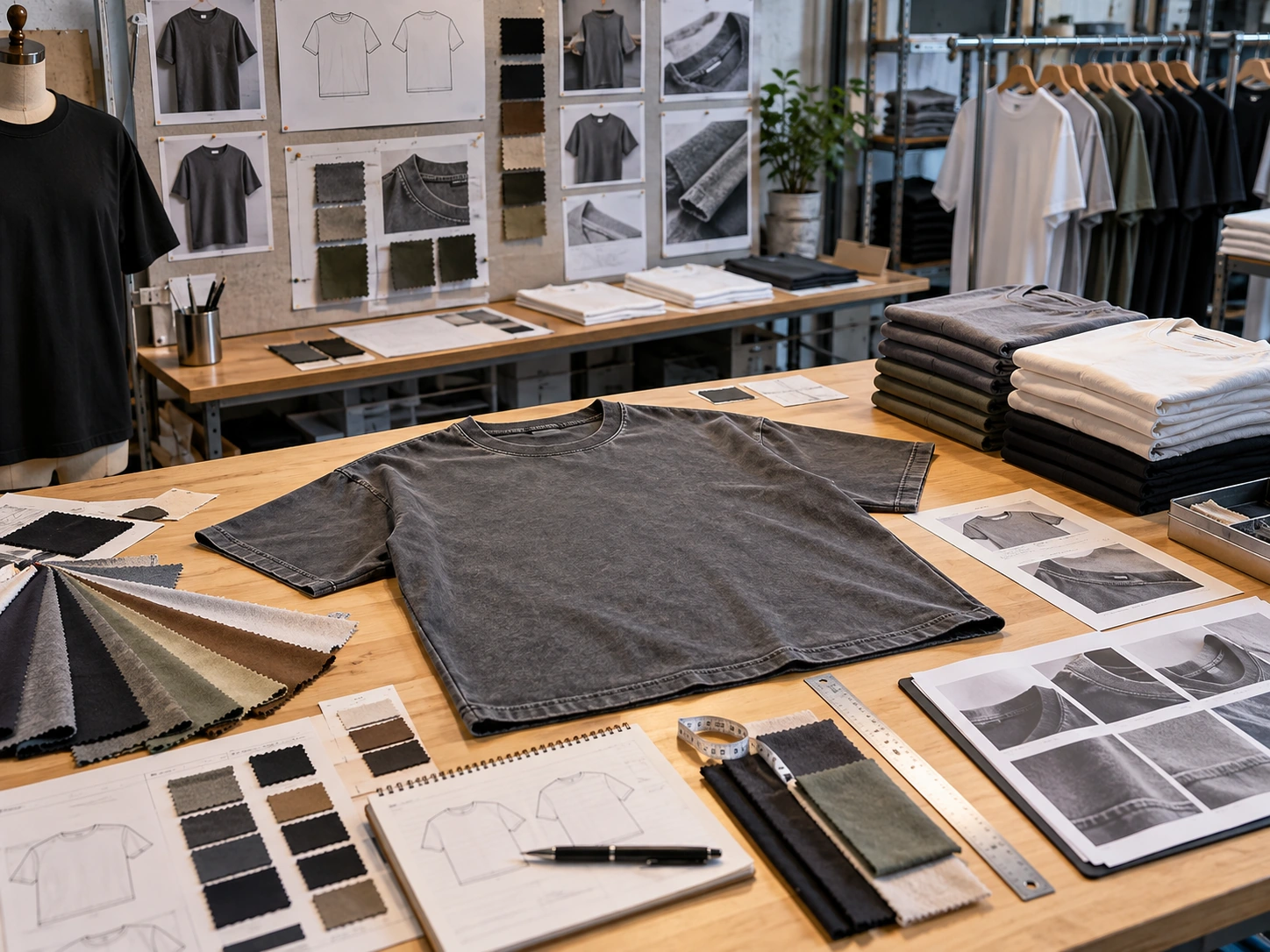
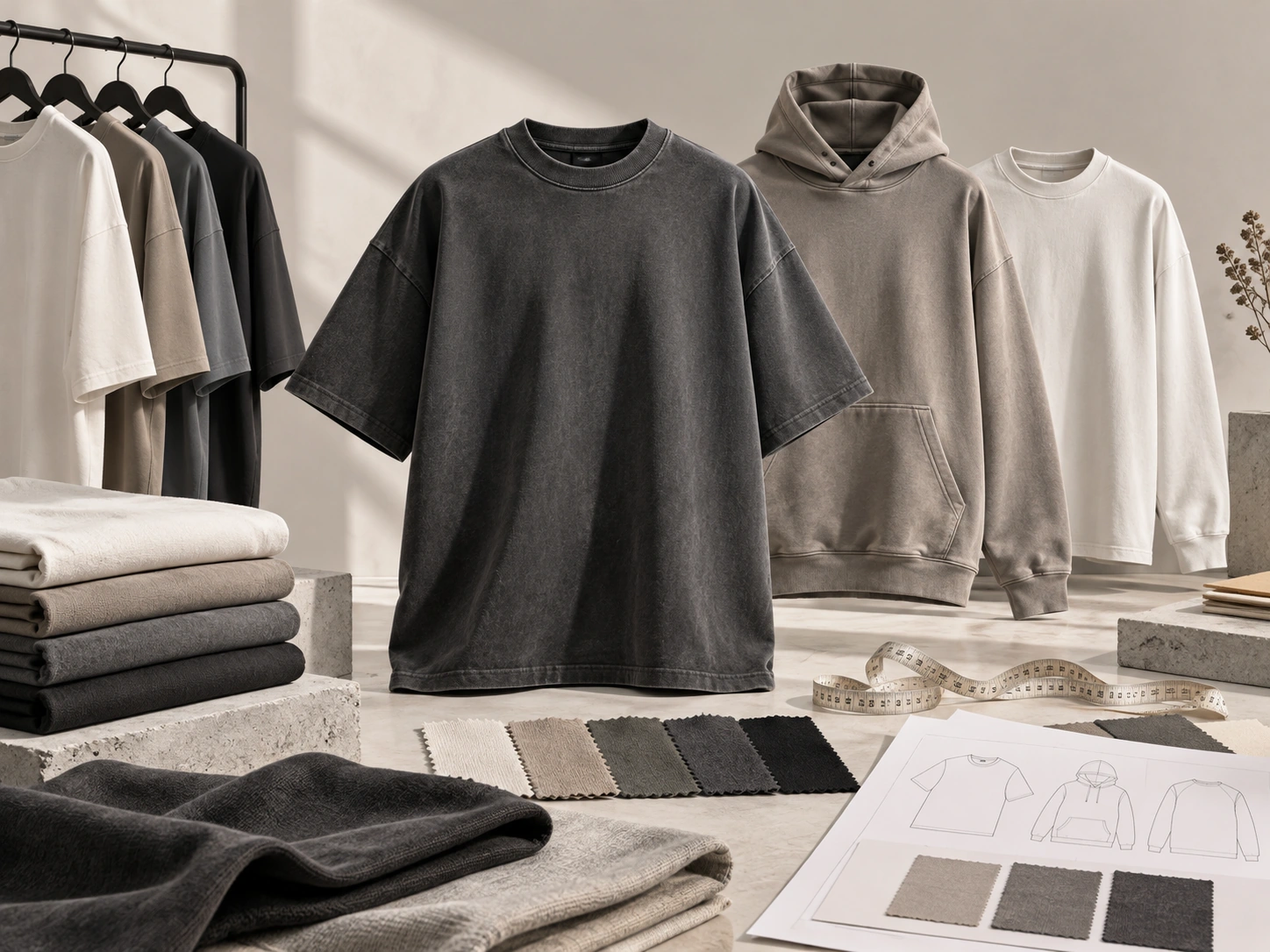
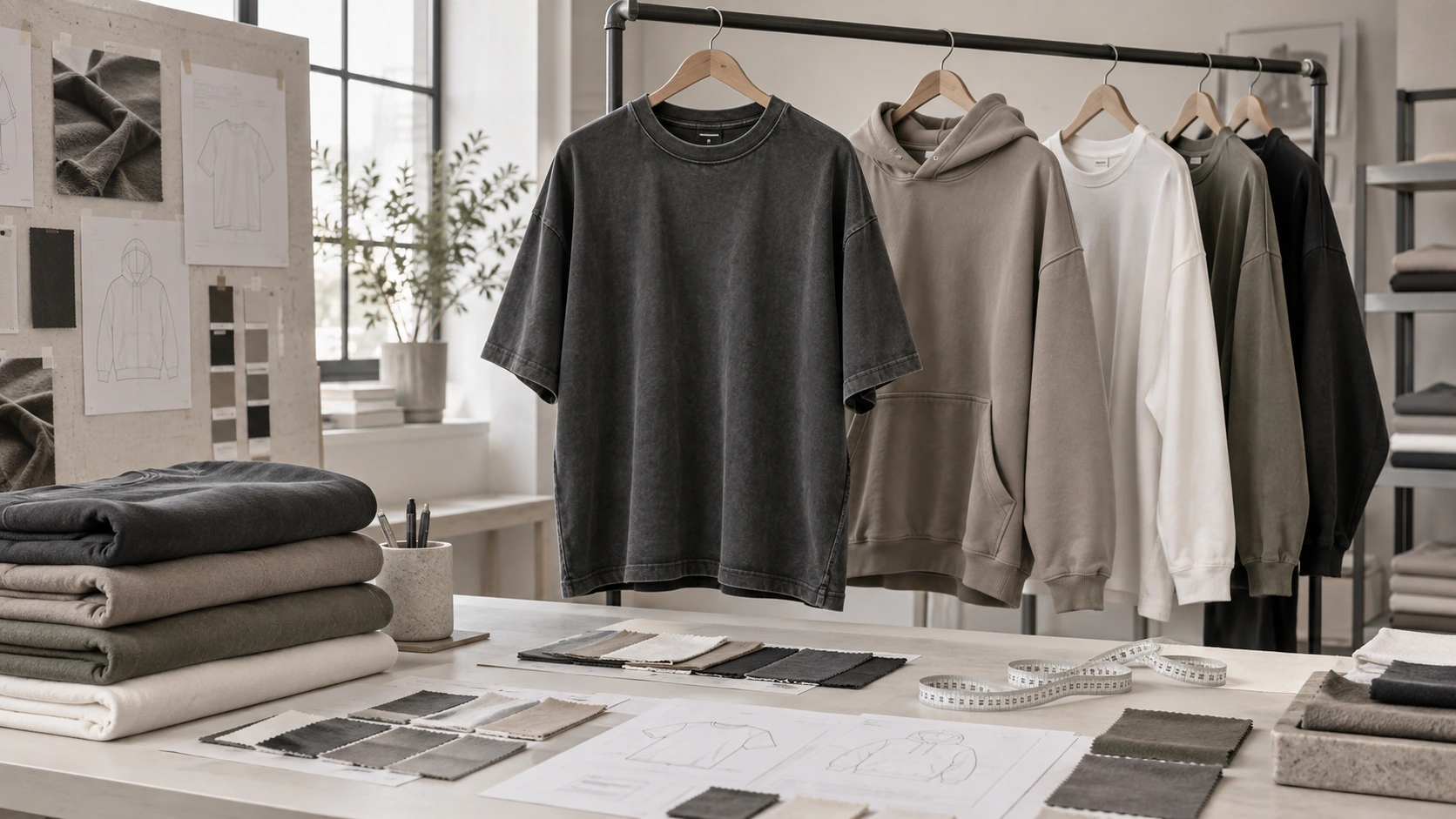
Washed charcoal heavyweight T-shirt with garment dye swatches and development references
Garment Dye FocusShade · Shrinkage · Surface · Repeatability

The approved sample becomes the reference for both color direction and garment behavior before bulk production.

Why Use Garment Dye

More Depth Than a Flat Fabric Color.

The dye interacts with the finished garment, so seams, rib, body panels and washed areas develop a more dimensional appearance than a uniform piece-dyed fabric.

Garment dyed fabric showing a vintage washed surface
01 / Character

Natural Washed Variation

Controlled shade movement and seam contrast create a stronger streetwear character.
Soft garment dyed cotton fabric surface
02 / Hand Feel

Softer, More Lived-In Surface

Processing after construction can produce a broken-in feel that suits relaxed premium basics.
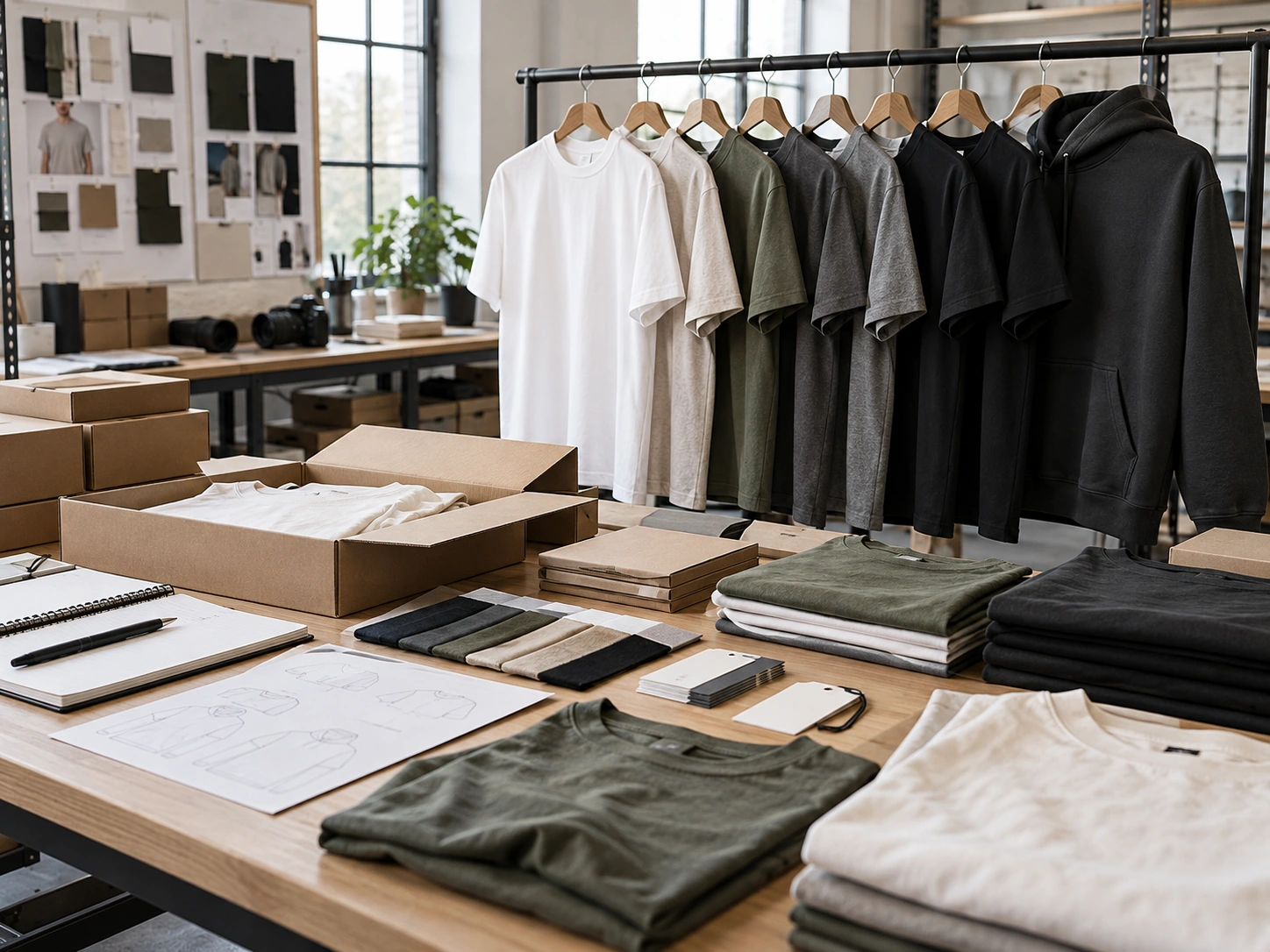
Garment dyed T-shirts in multiple muted colors
03 / Palette

Collection Color Directions

Muted earth tones, washed neutrals and vintage-inspired colors can be developed as one controlled palette.
Close-up of a washed heavyweight T-shirt collar and seam
04 / Streetwear

Works With Heavyweight Tees

Especially effective on oversized, boxy and heavyweight cotton T-shirts where surface character matters.

Production Workflow

From Greige Garment to Approved Wash.

Garment dye development is a sequence of controlled steps. Fabric composition, construction, dye recipe, wash cycle and drying conditions all affect the final shade and measurements.
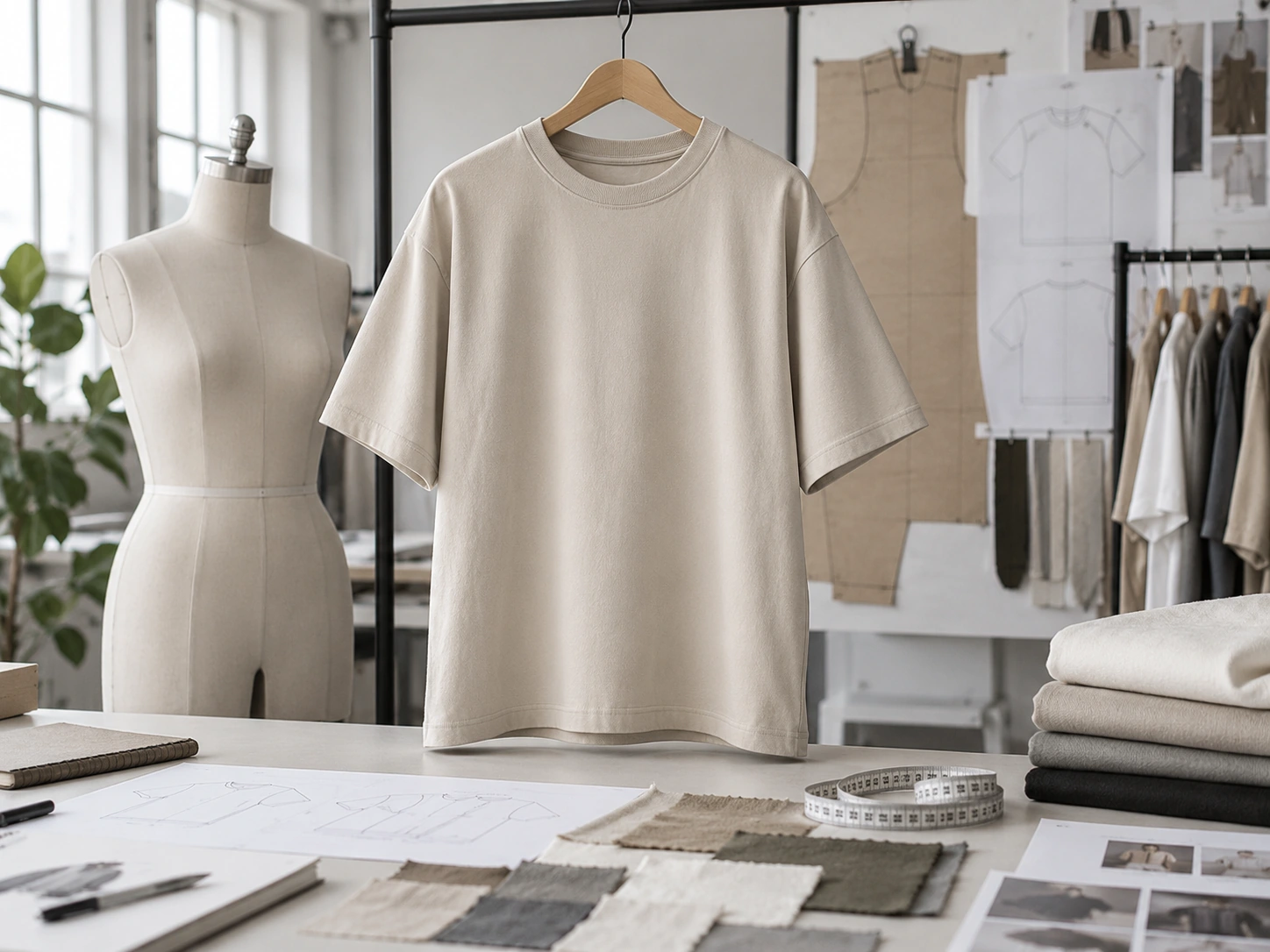
Prepared light color T-shirts before garment dyeing
01 / PrepareConfirm Garment Construction
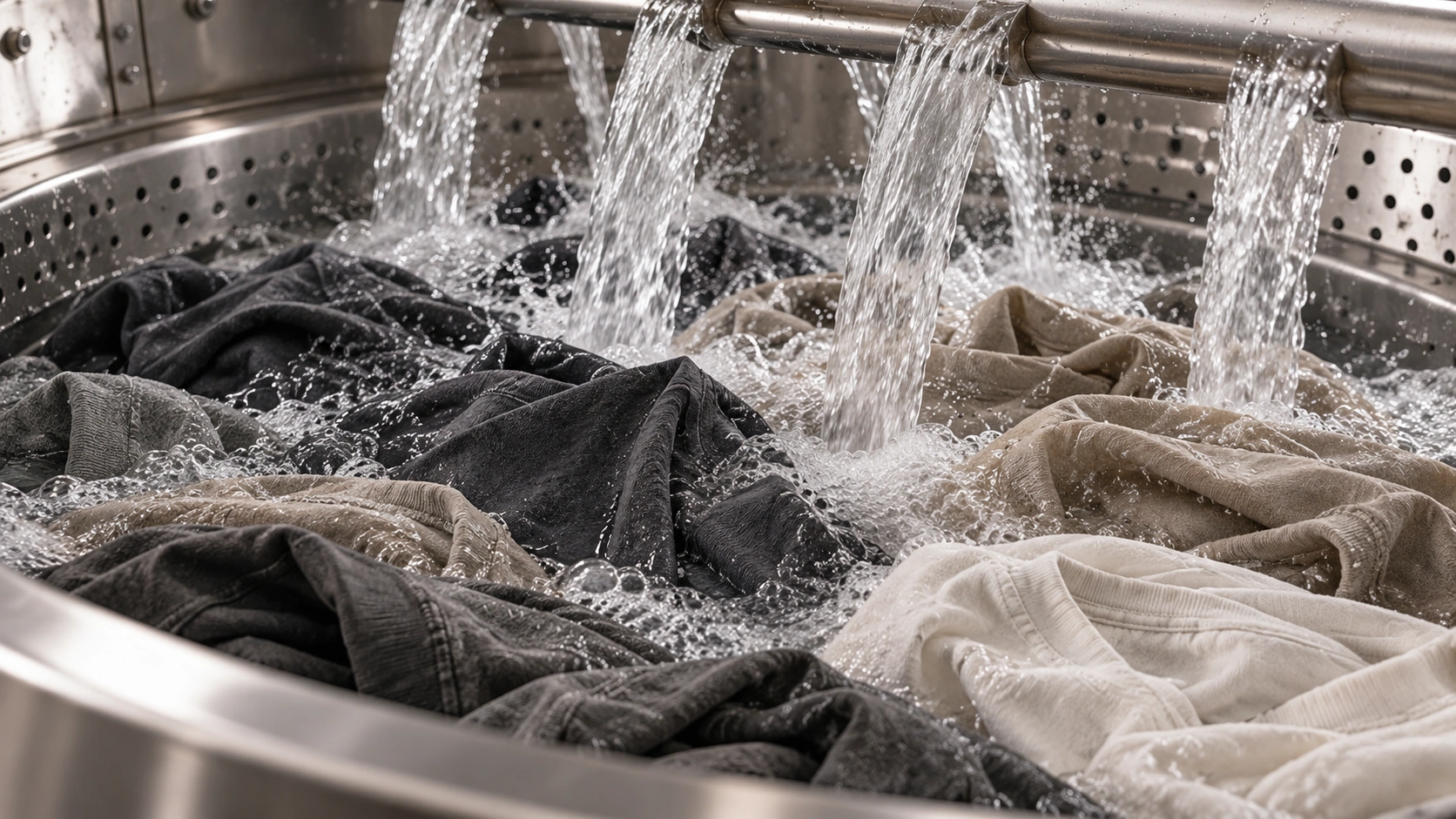
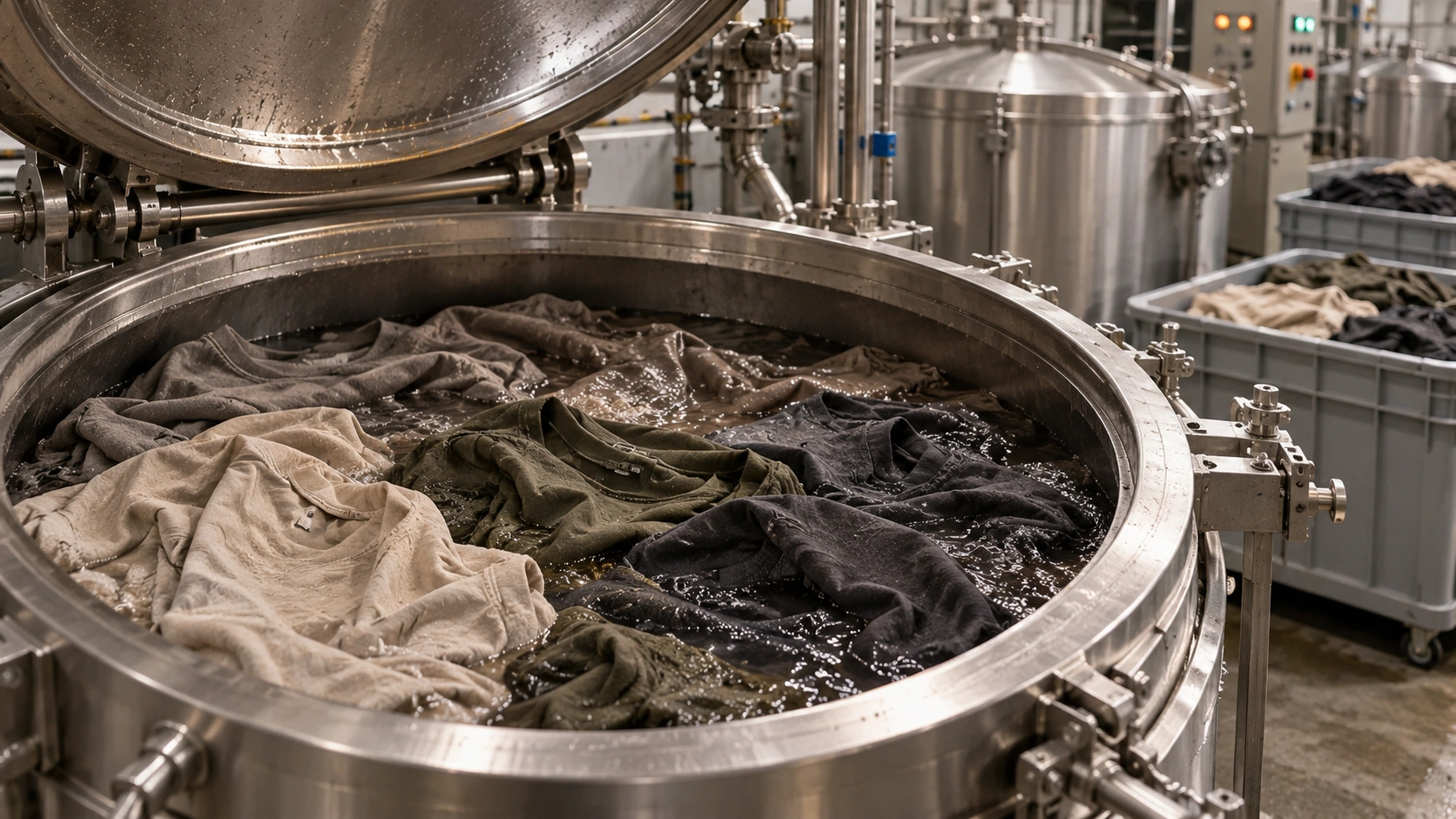
Industrial garment dyeing machine, reference image
02 / DyeRun the Approved Dye Recipe
Garment dye rinse stage, reference image
03 / RinseStabilize the Shade
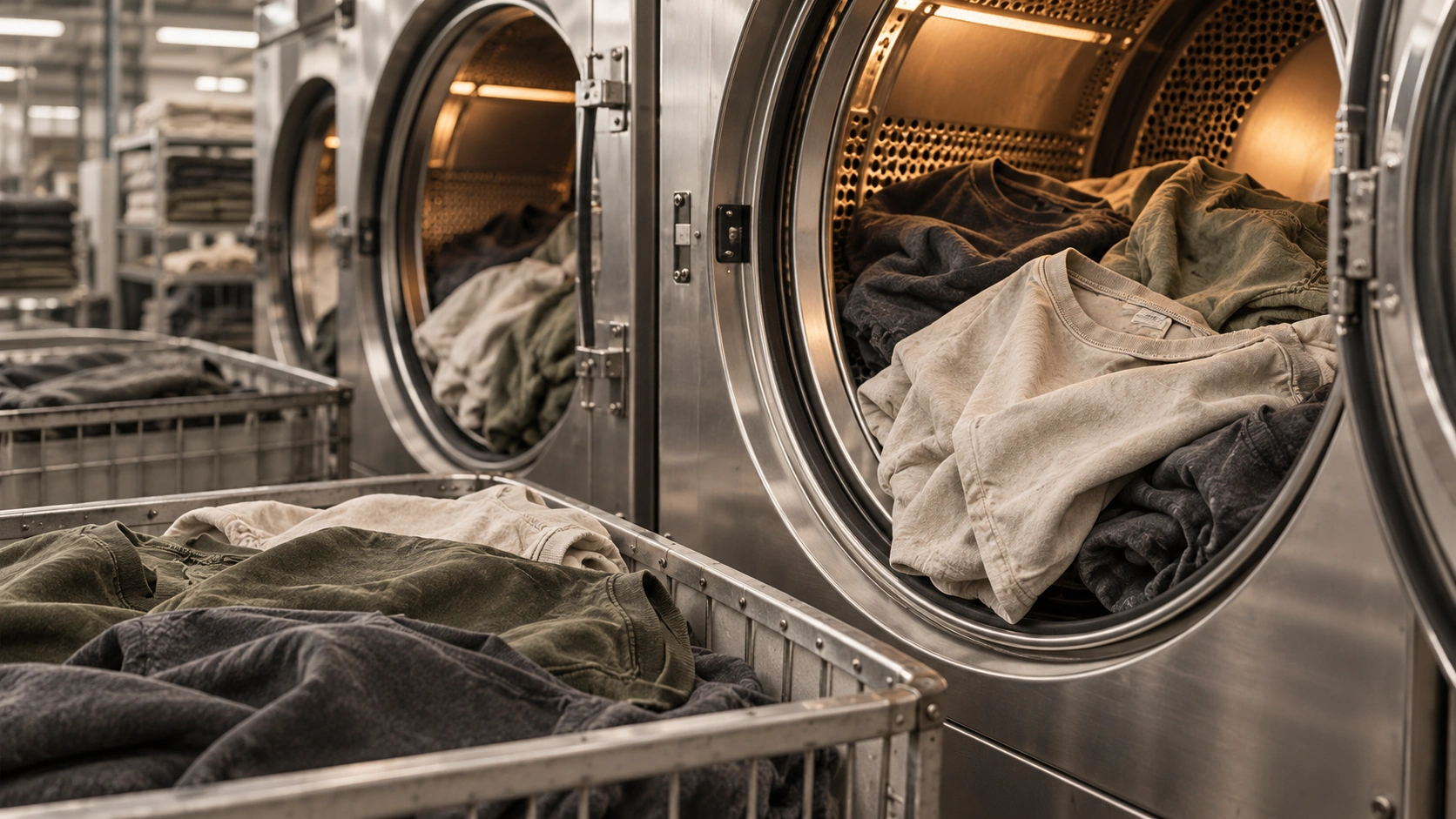
Garment dye drying stage, reference image
04 / DrySet the Final Surface
Garment dyed T-shirt inspected for color and construction
05 / InspectCheck Shade & Measurements
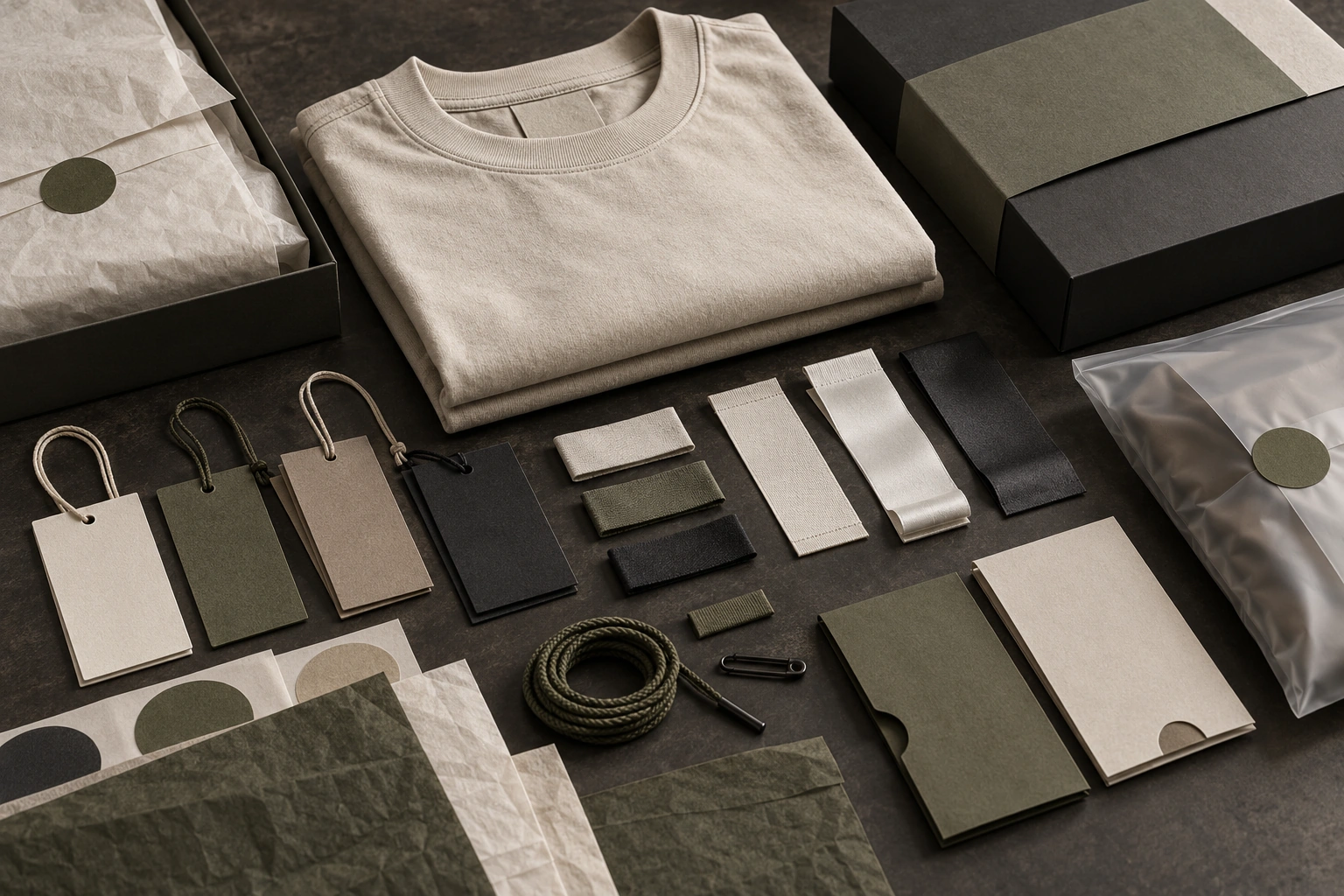
Finished garment dyed T-shirts folded after inspection
06 / FinishApprove for Bulk Packing
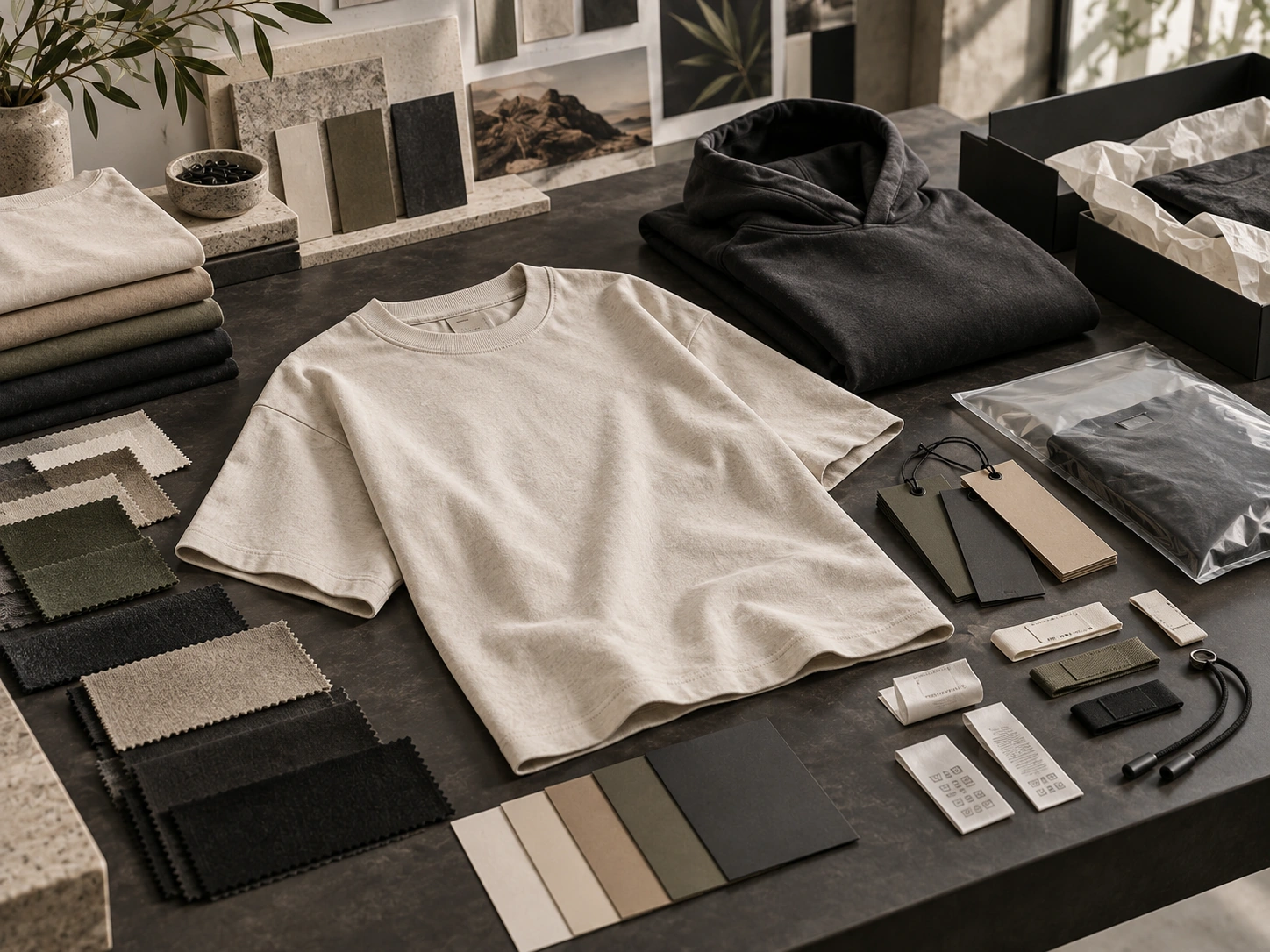
Streetwear T-shirt collection with garment dyed washed colors and fabric swatches
Before Bulk

Approve the Shade Together With the Fit.

Garment dye changes more than color. Wash, temperature and drying can influence shrinkage, rib behavior and overall garment dimensions, so the approved wash sample should also be the approved fit reference.

01
Shade ToleranceDefine an acceptable color range instead of treating every garment as if it must be visually identical.
02
Shrinkage & MeasurementsRecheck body length, width, sleeves and rib after the complete dye and wash cycle.
03
Repeat OrdersKeep the approved recipe, fabric specification and wash reference connected so future drops can follow the same direction.
Heavyweight CottonOversized TeeVintage WashMuted ColorsPigment DirectionStreetwear

Ready to build a drop?

Tell Us About Your Streetwear Direction.

Share target GSM, fit, quantity, wash direction, artwork and reference images. We’ll organize the sampling and production route.

Start a Streetwear Project